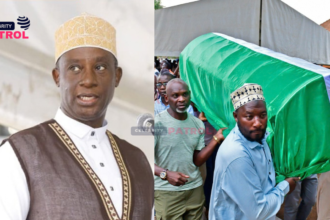






Veteran singer, saxophonist and Afrigo Band leader Moses Matovu, popularly known as Papa Moi, has died aged 77, leaving behind a musical legacy that stretches back nearly six decades.
Matovu died at Kibuli Hospital on Thursday, September 24, 2026, after reportedly being attacked at Kibuli Market Zone B in Makindye Division, Kampala. Police have opened a suspected murder case, with investigations underway.
But beyond the circumstances surrounding his death, Matovu’s life tells the story of one of the most enduring careers in Uganda’s music history.
Born in Kawempe on June 19, 1949, Matovu was the son of Abdallah Bukenya and Solome Nakitto. After his parents separated, he moved to Mengo with his mother, where he spent much of his childhood.
His connection to music began when he was still a young boy. At just four years old, Matovu joined the Namirembe Cathedral choir, laying the foundation for a career that would eventually make him one of Uganda’s most respected bandleaders.
He attended Namirembe Primary School before continuing his education at Kibuli Secondary School and later Pillai’s Secondary School.
His education was affected by the political crisis of 1966 between the central government and the Buganda Kingdom. Matovu had been studying under a Buganda government scholarship, but the abolition of traditional institutions disrupted the support.

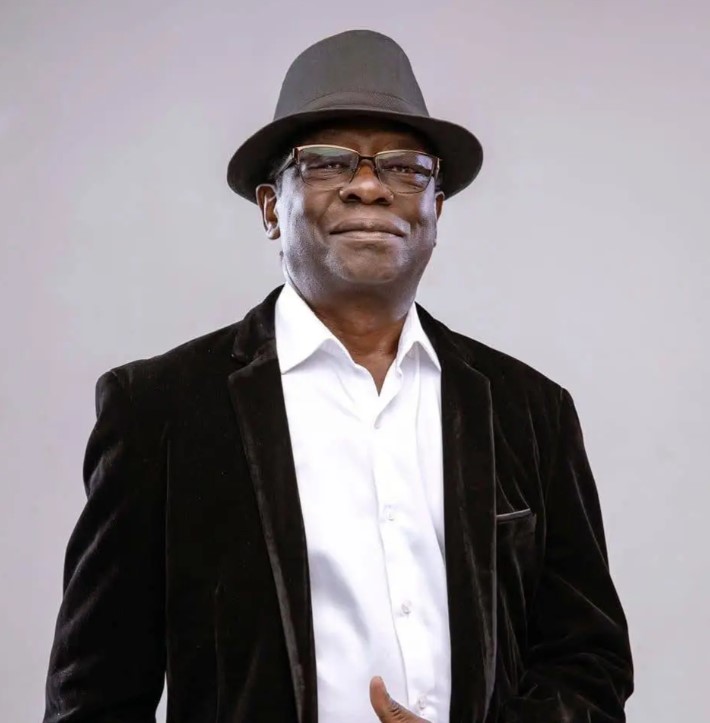
From Football to Music
Before music took over his life, Matovu had another potential career in football.
He played for several clubs, including Nakivubo Boys, Lint Marketing Board, Police FC, Express FC and Fiat FC. However, he eventually chose music over competitive football, leaving the sport in 1972.
His professional music journey had already begun several years earlier.
In 1967, Matovu joined Thunderbirds Band as a vocalist. The following year, he joined the Police Band, where he gained important exposure to brass instruments.
In 1969, he moved to Cranes Band, further developing his abilities as a singer, composer and instrumentalist.
The saxophone and flute became important parts of his musical identity, while his experience in different bands helped shape the disciplined and technically skilled musician he would become.
The Birth of Afrigo Band
Following internal disagreements within Cranes Band, Matovu and several colleagues went on to establish the group that would become Afrigo Band.
Some accounts trace the band’s beginnings to 1974, although Afrigo formally emerged in 1975 and later recognized August 31, 1975, as its founding date.
The name Afrigo is associated with the phrase “Africa go forward” or “Africa go in music.”

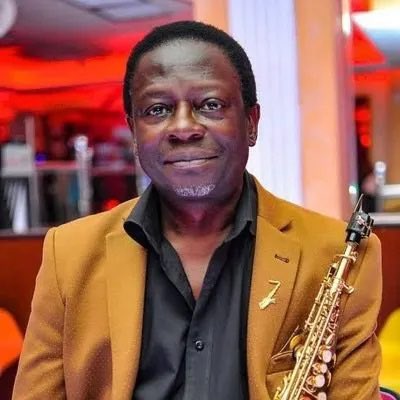
The band’s early performances included shows at Bat Valley Bar and Restaurant in Kampala before Afrigo gradually grew into one of the biggest and most enduring names in Ugandan music.
The founding musicians included Matovu, Charles Ssekyanzi, Jeff Sewava, Paddy Nsubuga, Paulo Serumagga, Fred Luyombya, Anthony Kyeyune and Geoffrey Kizito.
Matovu eventually became the central figure in Afrigo, leading the band through some of the most difficult periods in Uganda’s history.
Surviving Uganda’s Changing Times
Afrigo’s journey was not always easy.
The band survived the turbulent years of Idi Amin’s government, insecurity, loss of equipment and repeated changes in membership. Yet Matovu continued to rebuild and maintain the group.
Afrigo developed a distinctive sound that blended Congolese rumba, jazz and funk with Ugandan rhythms.
The group mainly performed in Luganda but also recorded songs in other Ugandan languages and Kiswahili.
Its music explored subjects that ordinary Ugandans could relate to, including love, marriage, poverty and everyday life.
Some of Afrigo’s best-known recordings include Afrigo Batuuse, Speed, Nantongo, Jim, Obangaina, Rose Guma, Maria, Amazzi Genyama, Mp’Eddembe, Nnemeddwa and Olumbe Lw’obwavu.
Matovu himself composed several songs, including Nantongo, Silina Anantwaala, Teri Mubi, Emiziro, Genda Osome and Afrigo Batuuse.
His recording career had begun even before Afrigo was formally established. His first recorded song, Jimmy Saasira, came in 1970, followed by Emiziro in 1971.
The Man Who Mentored Generations
Perhaps Matovu’s greatest contribution was not only the music he created, but the musicians he helped nurture.
Across five decades, Afrigo became a home and training ground for generations of Ugandan performers.
Among the musicians associated with the band were Joanita Kawalya, Rachel Magoola, Herman Ssewanyana, Frank Mbalire, Rashid Musoke, Godfrey Mwambala, Tony Sengo, Tony Ssenkebejje, Fred Kigozi and Sammy Kasule.
Later generations included Joe Tabula, Peter Bazanye, Edmond Ganja, Charles Busuulwa, Daniel Kaggwa, Isaac Zzimbe, Jacinta Wamboga, Sarah Namiyonga and Aminye Rhoose, among others.
Matovu repeatedly recruited and mentored younger musicians as older members left or passed away.
He believed in building the band beyond individual personalities and emphasized discipline, rehearsal and live instrumentation as the foundation for Afrigo’s survival.


A Six-Decade Musical Journey
In 2025, Afrigo celebrated 50 years since its formal emergence, marking one of the rarest milestones in Uganda’s music industry.
By then, the group had released more than 20 albums and 200 songs and performed for audiences in Uganda, Europe and the United States.
For Matovu, however, retirement was never the defining goal.
He continued singing, composing and playing his instruments long after many musicians from his generation had left the stage.
His commitment helped Afrigo remain relevant through dramatic changes in Uganda’s music industry, from the era of live bands and orchestras to the rise of contemporary artists and digital music.
Matovu’s career therefore became a bridge between generations — connecting Uganda’s early urban music scene to the modern industry.
A Legacy That Outlives the Stage
Moses Matovu leaves behind more than songs and performances.
He leaves behind Afrigo Band, a musical institution that survived for more than half a century, as well as generations of musicians who passed through its ranks.
His journey from a young choir member in Namirembe, to footballer, vocalist, saxophonist, composer and eventually the longtime leader of Afrigo Band, represents one of the most remarkable stories in Uganda’s music history.
As Uganda mourns Papa Moi, his music and the musicians he mentored remain part of the cultural legacy he spent nearly 60 years building.