



The long-running Susan Magara murder case has reached a dramatic conclusion after the High Court sentenced two of the convicts to death for their roles in the kidnapping and killing of the 28-year-old businesswoman.
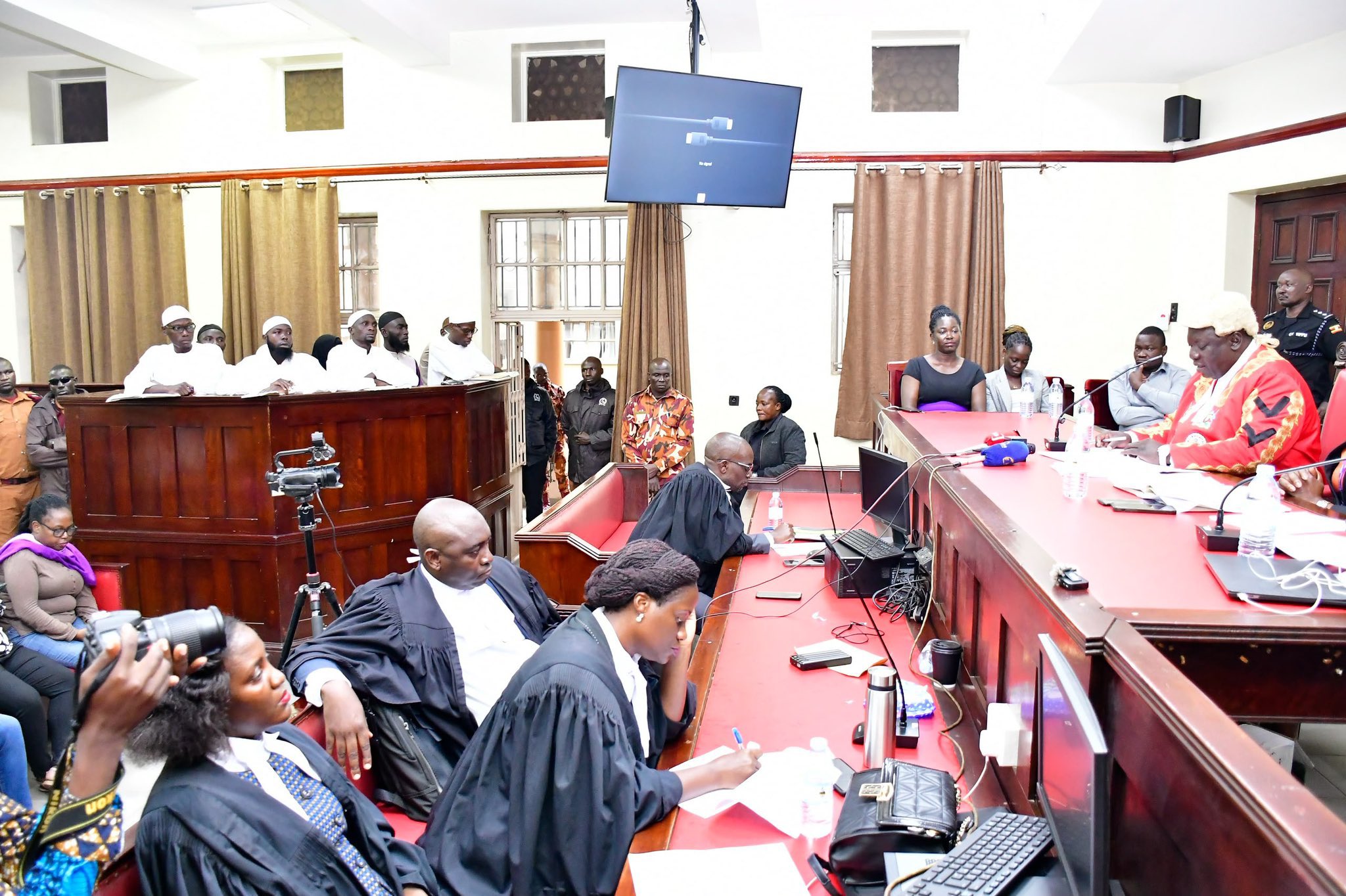
High Court Judge Alex Mackay Ajiji on Wednesday, August 5, 2026, handed the maximum punishment to Hajara Nakandi and Abbas Musa Buwembo, ruling that their involvement in the crime justified the death penalty.
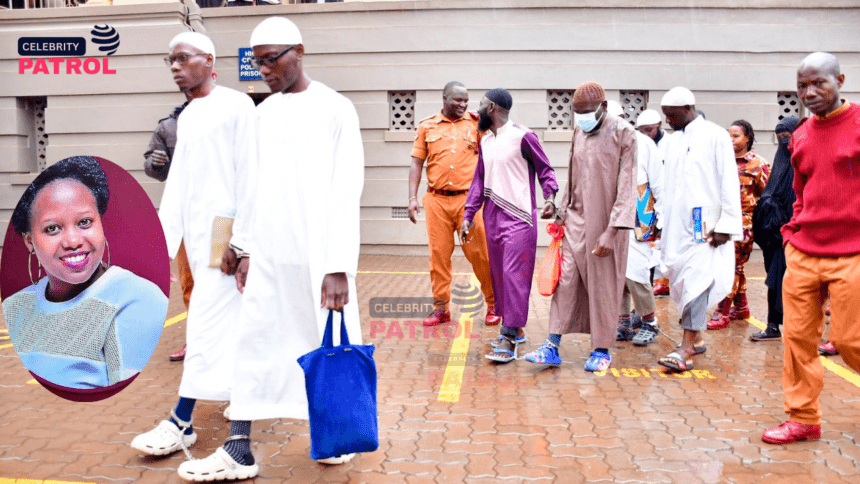
The remaining seven convicts — Yusuf Lubega, Mahad Kisalita, Ismail Bukenya, Abubaker Kyewokya, Hassan Wasswa, Hussein Kato Miiro, and Muzamir Ssali — were sentenced to life imprisonment.
The court also ordered the confiscation and sale of properties allegedly acquired using ransom money, directing that the proceeds be handed over to Magara’s family.
A Kidnap That Shocked The Nation
Susan Magara, a former cashier at Bwendero Dairy Farm and daughter of businessman John Magara, was kidnapped on February 7, 2018, while driving home through Lungujja, Kampala.


A friend who was speaking with her on phone reportedly heard a struggle and her screams before the call suddenly ended.
Her Toyota RAV4 was later found abandoned with the engine still running and her phones left inside, sparking a nationwide search.
The kidnappers held Magara captive for nearly three weeks, demanding a ransom from her family. They initially demanded $1 million before eventually receiving about $200,000, approximately Shs700 million.
During her captivity, prosecutors told court that the attackers subjected her to severe torture, including cutting off two of her fingers and sending them alongside a video pleading for help to pressure her family into paying.
Killed After Ransom Payment
Despite receiving the ransom money, the kidnappers later killed Magara between February 25 and February 27, 2018.
Her body was discovered dumped at Kitiko-Birongo along the Entebbe Expressway.

Court heard that she had been injected with ketamine before dying from suffocation.
Prosecutors argued that the crime was carefully planned and financially motivated, with the suspects allegedly deciding to eliminate Magara to prevent her from identifying them.
The prosecution linked Nakandi to providing the location where Magara was held and influencing the decision to kill her, while Buwembo was accused of directly participating in the torture, mutilation, and murder.
The other convicts were linked to different roles, including surveillance, guarding the victim, transporting her, collecting ransom money, and benefiting from the proceeds.
Eight-Year Trial Finally Reaches Verdict
The nine suspects were arrested in April 2018 during a joint security operation involving the Uganda Police Force, UPDF, and military intelligence at Usafi Mosque in Mengo-Kisenyi, where investigators said the kidnapping plan had been coordinated.
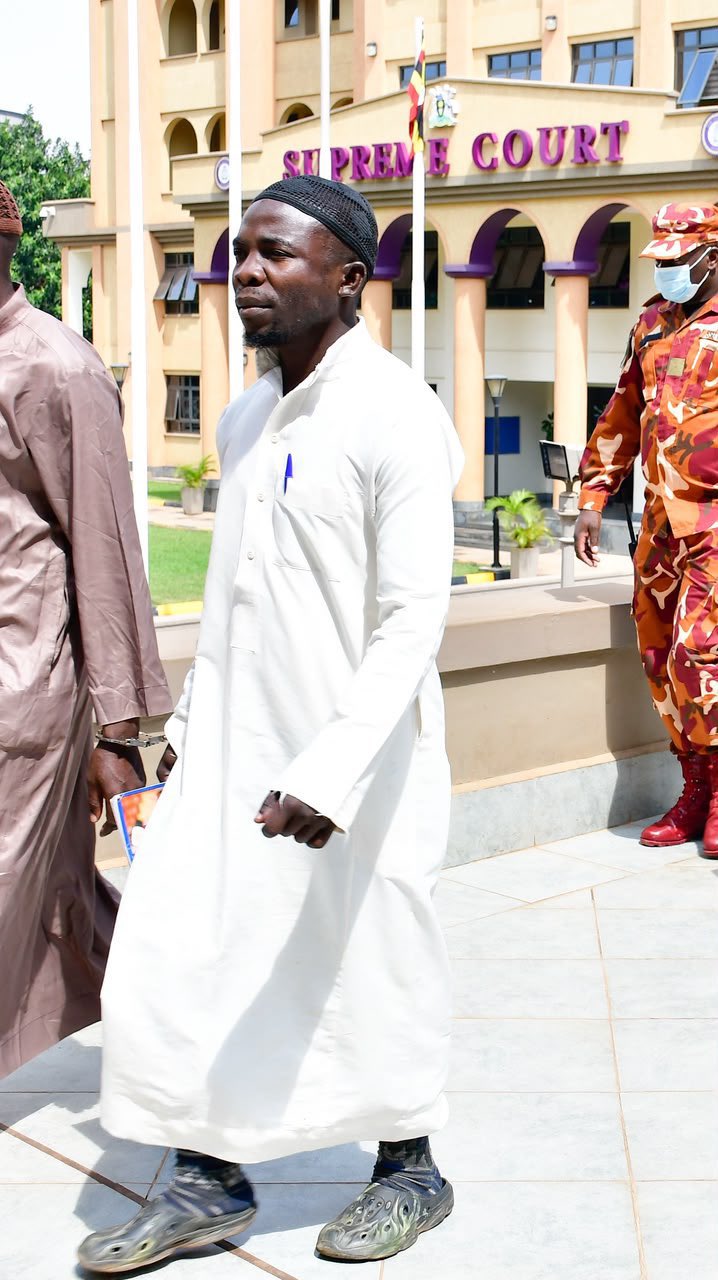

Throughout the trial, the accused denied the charges.
The prosecution relied on extensive evidence, including testimony from more than 40 witnesses, DNA analysis, phone records, digital evidence, financial records, and forensic findings.
On August 3, 2026, Justice Ajiji convicted all nine suspects after finding that they had participated in the planning and execution of Magara’s abduction, ransom demand, torture, and murder.
The sentencing marks the end of one of Uganda’s most high-profile criminal cases, although alleged masterminds Yakub Byensi and Hakim Lugolobi remain at large.
Related posts: