
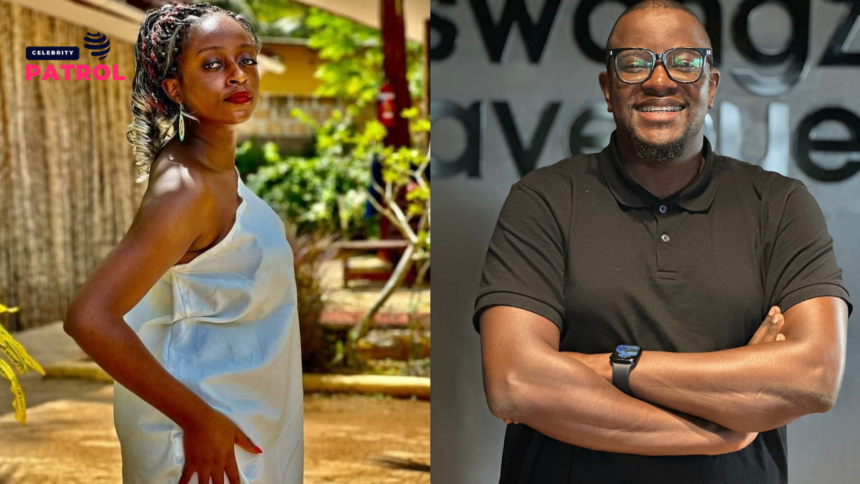
For the first time, Swangz Avenue co-founder and music producer Benon Mugumbya has addressed growing public debate surrounding the label’s split with singer Zafaran, dismissing claims that the label forced her to abandon her stage identity or stop using her branding after parting ways.
The clarification comes amid heated online discussions following Zafaran’s exit from Swangz Avenue and her ongoing rebrand to Zafar, a transition that has sparked strong reactions from fans and industry watchers.
“Those Claims Are Not True” — Benon Responds
Benon Mugumbya pushed back against circulating allegations that Swangz Avenue instructed the singer to stop using the name “Zafaran” or restrict her from maintaining her musical identity.
He described the claims as misleading and not reflective of how the label handles artist exits.
According to Benon, Swangz Avenue did not issue any directive banning the use of her former stage name, insisting the reports being shared online are “all lies.”
He explained that the situation is instead tied to standard music industry arrangements, particularly ownership of digital assets created under the label’s infrastructure.
More Read

The Split and the YouTube Channel Dispute
Zafaran officially parted ways with Swangz Avenue after her contract was not renewed or was mutually left to expire, depending on differing accounts from industry sources.
Following her exit, she revealed that she lost access to her original YouTube channel, which was reportedly created and managed under the Swangz Avenue umbrella, prompting her to launch a new channel under her rebranded name Zafar.
Zafaran’s Position After Exit
Despite the split, Zafaran has maintained a positive tone publicly, stating she will continue performing her existing music catalog while building her independent brand.
More Read

She has also credited Swangz Avenue for helping shape her early career and professional growth in the industry, even as she navigates the transition to independence.
The development has reignited wider conversations about artist-label relationships in Uganda’s music industry, particularly around ownership of masters, digital platforms, and branding rights.