

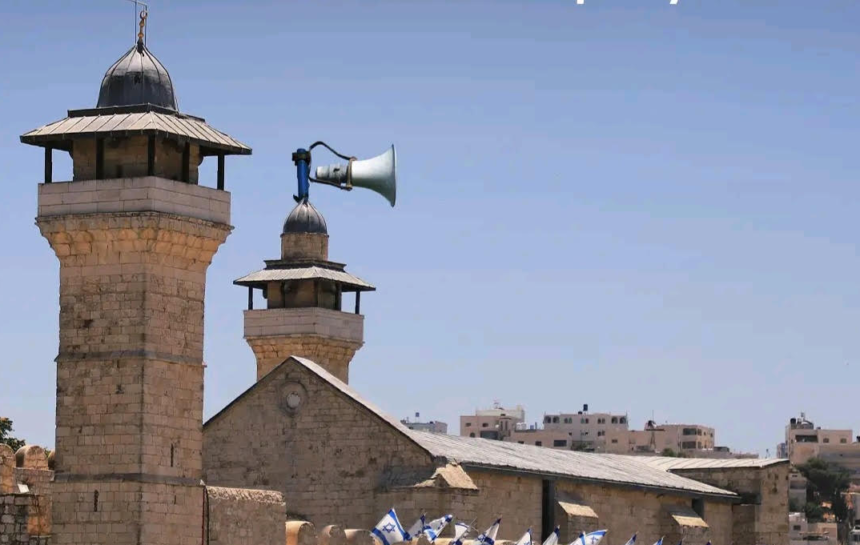
A fresh political and religious debate has erupted in Israel after the country’s parliament took the first legislative step toward restricting the Muslim call to prayer broadcast from mosque loudspeakers.
The Israeli Knesset on Wednesday approved, in a preliminary reading, a controversial bill that seeks to ban or significantly limit the public broadcasting of the adhan through mosque loudspeaker systems. The proposal passed with a 50-36 vote in the 120-member parliament but must still pass three additional readings before it can become law.
According to Israeli lawmakers backing the bill, the proposed legislation is aimed at addressing what they describe as excessive “mosque noise” and strengthening enforcement of public noise regulations.
If enacted, mosques would be required to obtain official government authorization before installing or operating loudspeaker systems. Authorities would also be empowered to take enforcement action against mosques operating without permits.
The proposed law would further grant police powers to enter premises where alleged violations occur and issue administrative fines to those found in breach of the regulations.
More Read

The move has already drawn widespread attention as the adhan—the Islamic call to prayer—is broadcast five times daily from mosques around the world to notify Muslims of prayer times and is regarded as an important part of Islamic religious practice.
The bill is expected to face intense scrutiny as it proceeds through Israel’s legislative process, with supporters arguing it addresses public noise concerns while critics are likely to raise questions about religious freedom and the rights of Muslim communities.
If approved in all remaining readings, the legislation could significantly change how the Islamic call to prayer is broadcast across Israel and is expected to remain a highly divisive issue both domestically and internationally.