





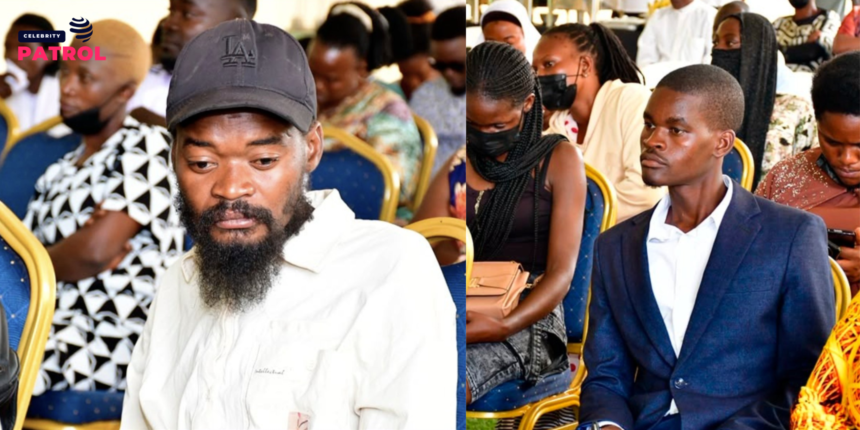
DNA results confirmed that only four of the 25 claimants are the biological children of the Late Prince Job Paul Kafeero, rejecting the rest. Here we give you all we know so far about the 21 rejected.
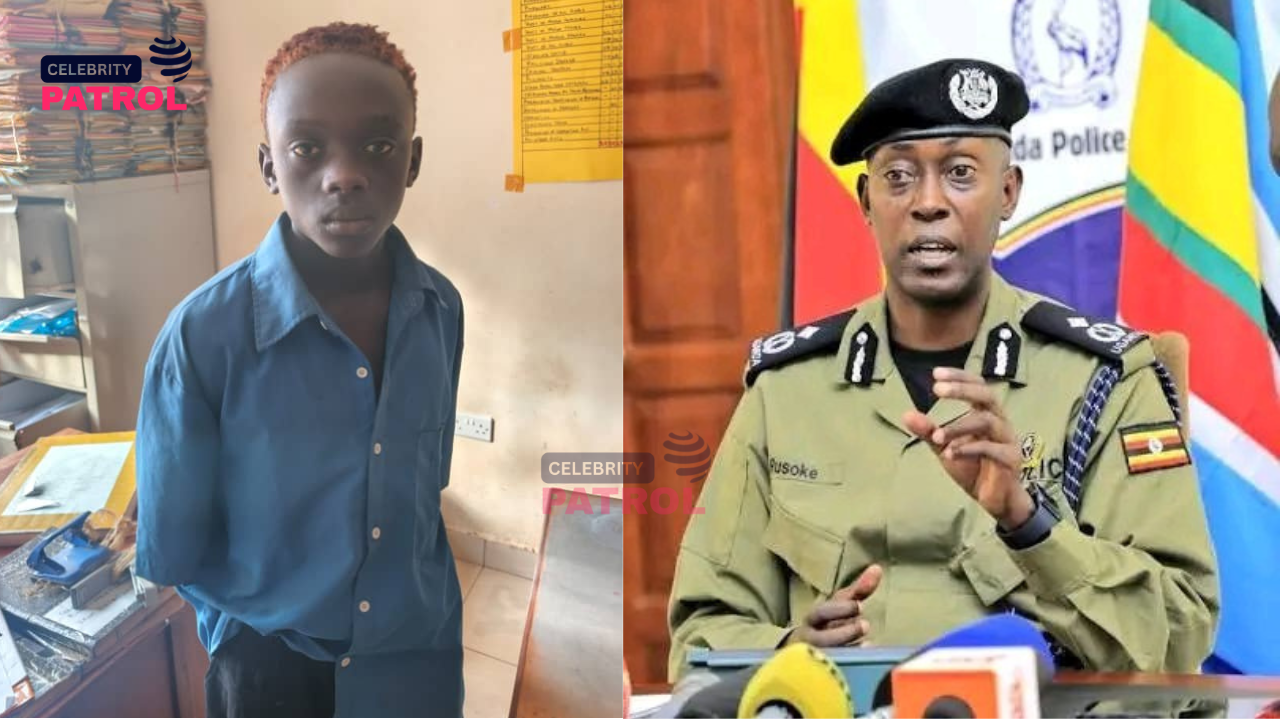
The highly anticipated forensic findings were publicly announced on Thursday at Police Headquarters in Naguru, bringing fresh clarity to one of Uganda’s most heated inheritance battles that has dragged on for years.
According to results generated by the Uganda Police Forensic Laboratory and the Directorate of Government Analytical Laboratory, only four individuals were confirmed as biological children of the late music icon: Benedicto Kafeero, Simon Peter Kafeero, Thomas Swaz Kafeero, and Elizabeth Nagawa.
The DNA exercise followed the exhumation of Kafeero’s remains earlier this month, a dramatic and controversial move that sparked nationwide debate and emotional reactions from family members, fans, and cultural observers.
For years, more than 25 individuals had stepped forward claiming to be the singer’s children, fueling a bitter inheritance dispute that repeatedly resurfaced in both family circles and public discussion. But with only four confirmations, attention has now sharply shifted to the fate of the remaining claimants — approximately 21 individuals who have now been ruled out by the DNA results.
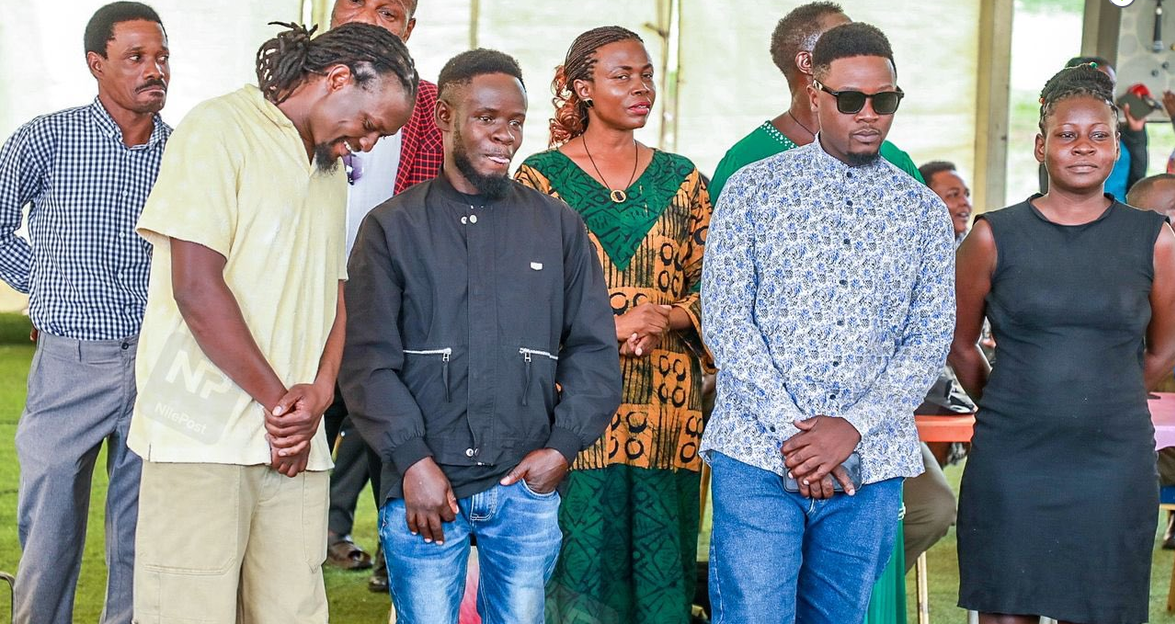
These rejected claimants form the largest and most dramatic part of the saga. Sources close to the process revealed that several of them either failed to appear for DNA testing or withdrew before the exercise was completed. Reports further suggest that some mothers allegedly advised their children not to participate in the tests, possibly anticipating the outcome.
While official authorities have not published a full list of all rejected individuals, the implication of the results is clear: the overwhelming majority of those who once laid claim to Kafeero’s estate do not have a biological link to the late singer.
The rejected group includes individuals from different backgrounds who had over the years presented emotional testimonies, alleged family connections, and public assertions of lineage. Some had even become familiar names in the ongoing inheritance conversations, making today’s outcome even more striking.
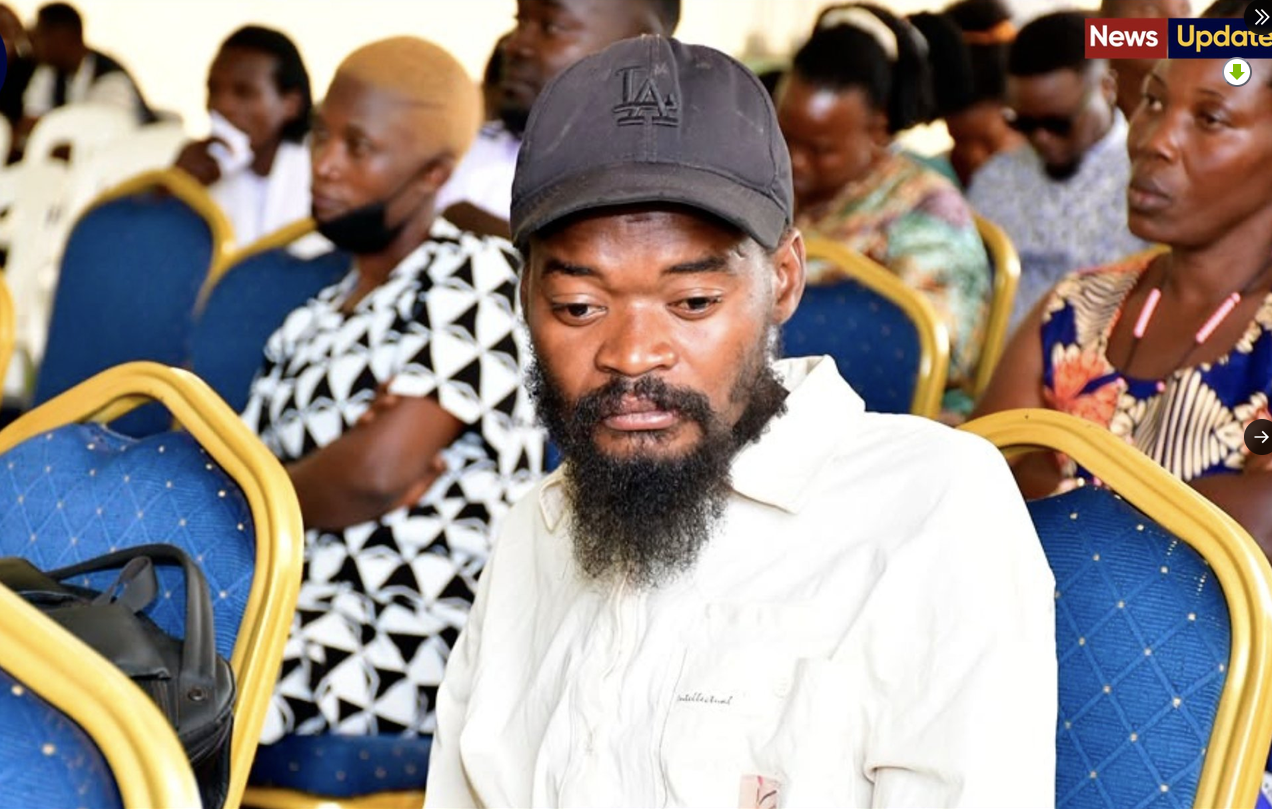
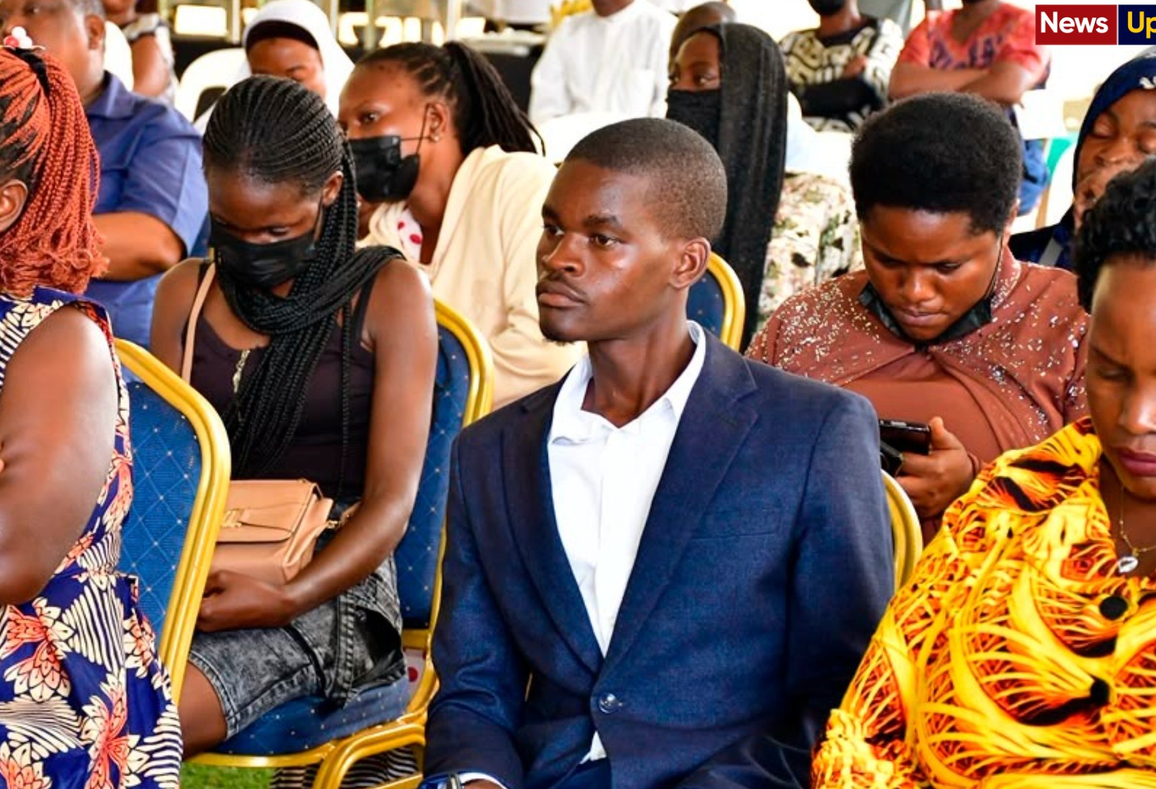
Despite the ruling, reactions remain mixed. Supporters of some of the rejected claimants are already questioning the process and calling for further clarity, while others say the findings finally bring structure and direction to a dispute that has long divided the family and confused the public.
The results are expected to have significant implications for the management and distribution of Kafeero’s estate, including music rights, royalties, and property that has remained contested for years.
Many observers believe the findings could finally bring closure to a painful chapter — although for the rejected claimants, it marks the end of a long-held belief that they were part of the legendary musician’s lineage.
Related posts:
 Meet The Only Four Children DNA Confirmed As Prince Job Paul Kafeero’s True Heirs, All We Know
 Paul Kafeero’s Official Widow Bisirikirwa Breaks Silence, Reveals Top Family Secrets After DNA Results
 “DNA Doesn’t Lie” — Balaam Responds to Tayebwa Over Paul Kafeero Paternity Debate
 DNA Bombshell: Only Four Children Confirmed As Prince Job Paul Kafeero’s Biological Heirs