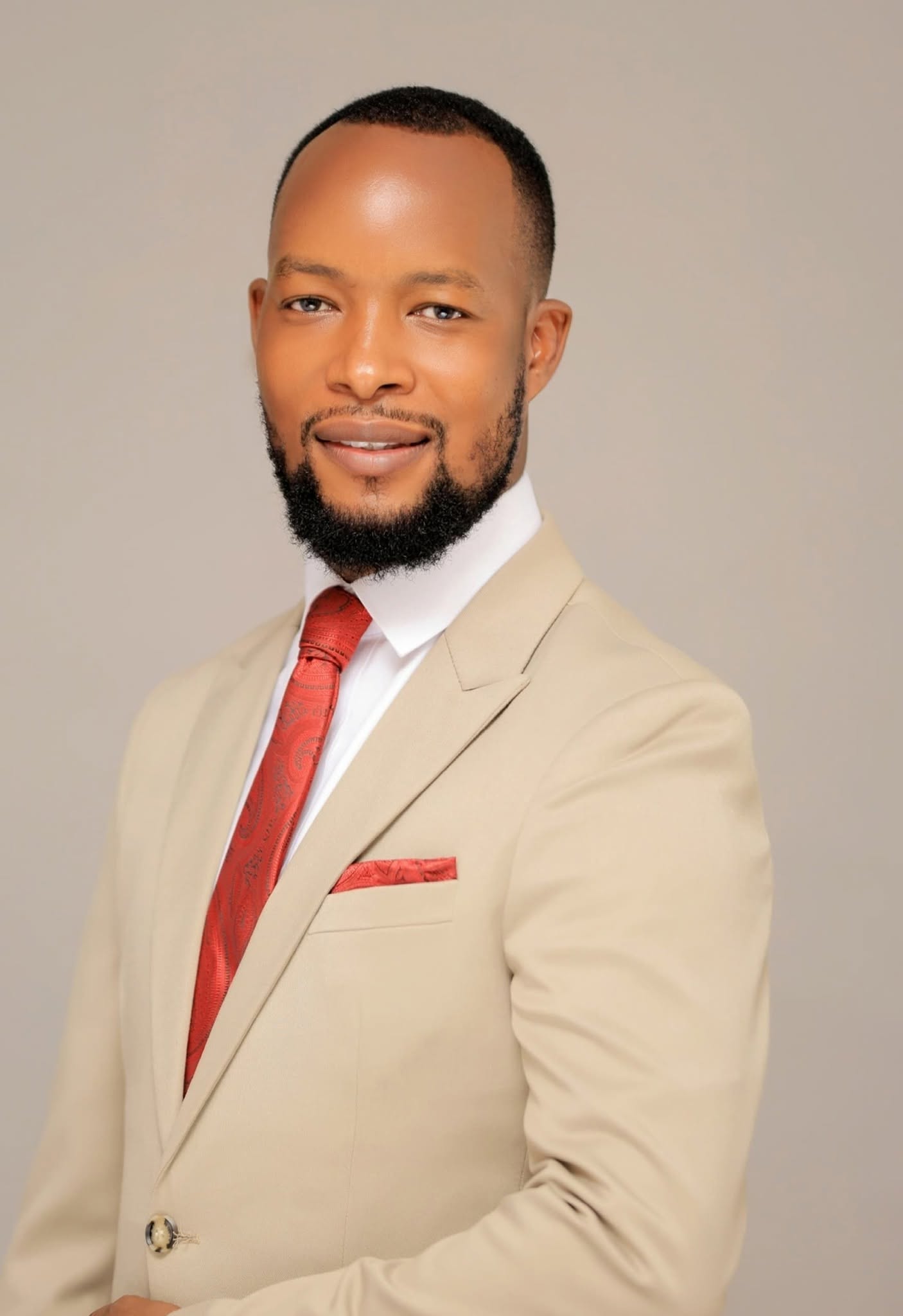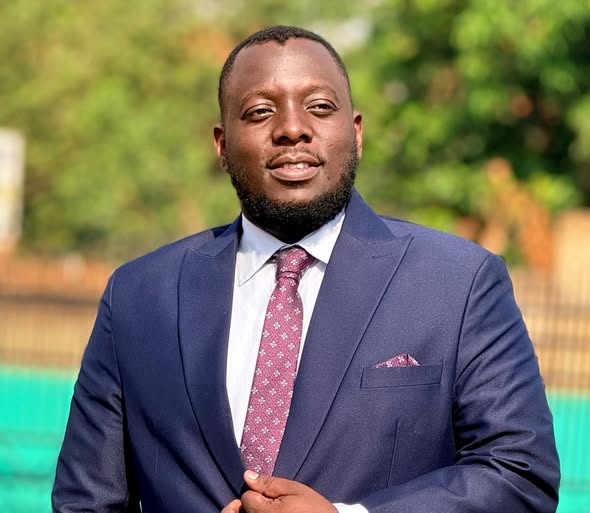



A public disagreement has erupted between Minister for Local Government Balaam Barugahara and Uganda Human Rights Commission (UHRC) Chairperson Justice Mariam Wangadya after the latter openly criticized President Yoweri Museveni over appointments to the constitutional body.
The exchange has sparked fresh debate over the independence of public institutions, the role of constitutional office holders, and whether concerns about governance should be raised publicly or through internal government channels.
Balaam Defends President
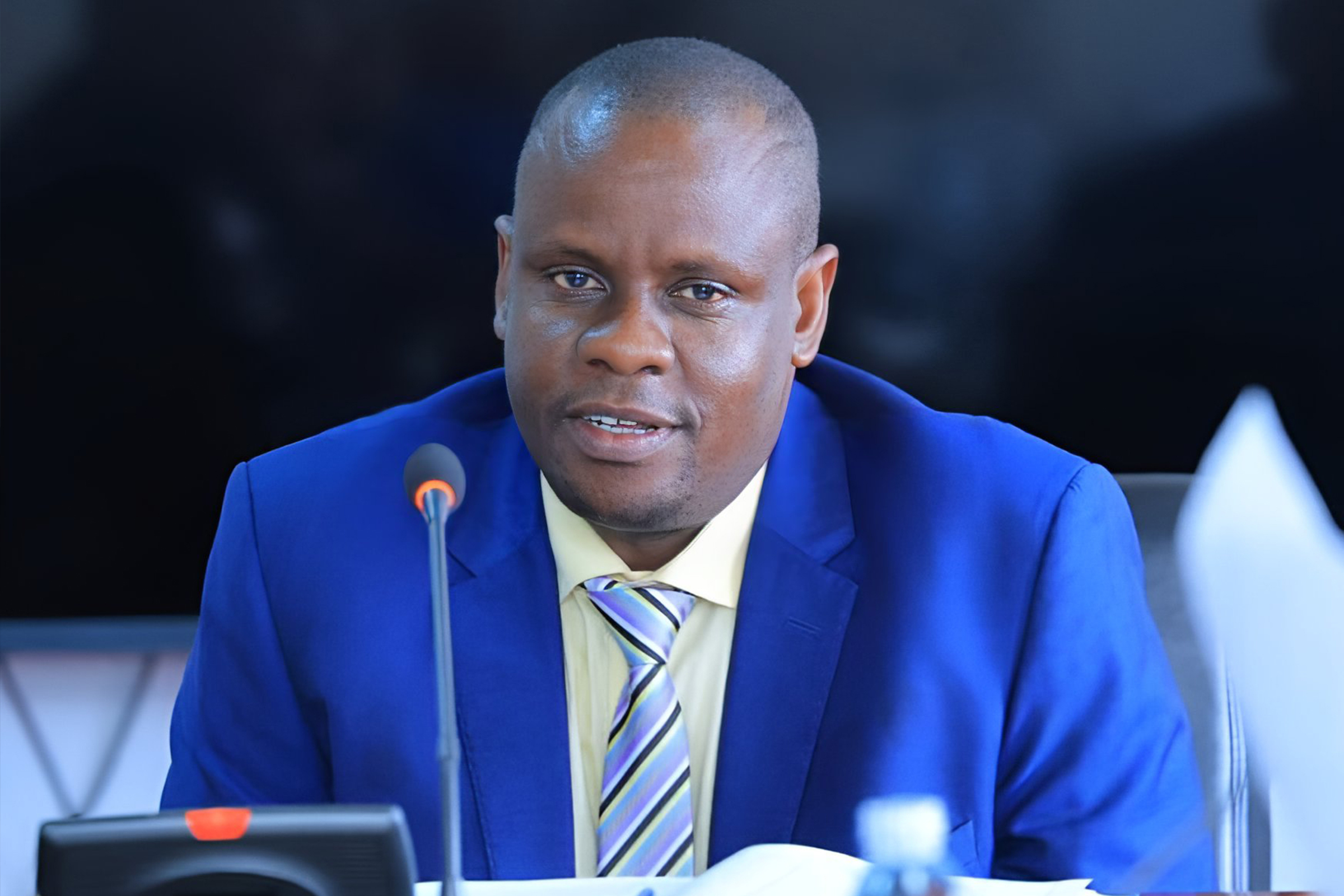
Balaam Barugahara faulted Justice Wangadya for publicly criticizing the President, arguing that her approach was inappropriate for someone occupying such a senior constitutional office.
According to the minister, government officials should use established internal mechanisms to address grievances instead of making public statements that could undermine confidence in state institutions.
His comments came just a day after Wangadya delivered a scathing assessment of how appointments to the Uganda Human Rights Commission have been handled.
Wangadya Raises Concerns
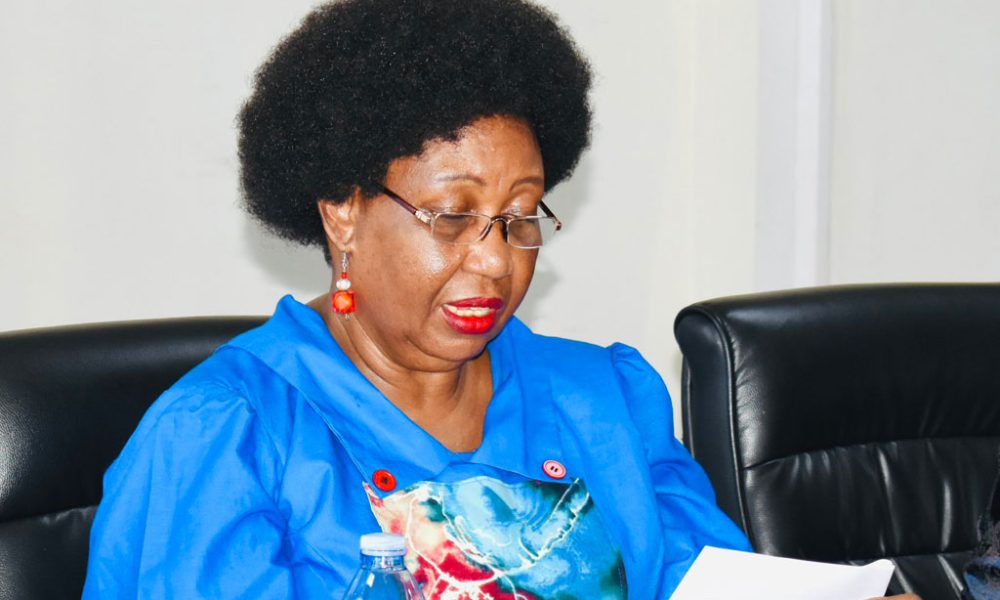
Speaking candidly, Justice Wangadya alleged that the Commission has gradually become “a dumping ground for political rejects, the poor, and the terminally ill.”
She argued that the pattern of appointments to the UHRC reflects a lack of commitment to preserving the Commission’s independence, credibility, and effectiveness.
Wangadya further claimed that President Museveni has consistently failed to accord the Commission the respect it deserves through the caliber of individuals appointed to serve on it.
Her remarks also raised broader concerns about governance, merit-based appointments, and what she described as political patronage taking precedence over institutional integrity.
Public Debate Intensifies
The exchange has generated widespread discussion across political and social media circles.
While some Ugandans have criticized Wangadya for openly challenging the Head of State, others have praised her for speaking out on issues they believe have long affected the independence of constitutional bodies.
Political analysts say the disagreement has reignited conversations about transparency in public appointments, the autonomy of oversight institutions, and the balance between institutional loyalty and public accountability.
@TheEconomist, Uganda’s choice is known and deeply respected by millions . The people of Uganda have the sovereign right to determine their leaders. External commentary cannot determine the will of Ugandans. The voice of the people should remain central and General @mkainerugaba… https://t.co/WiJem8uOjy
— Barugahara Balaam Ateenyi. (@BalaamBarugahar) July 4, 2026
Related posts:
 UHRC Crisis: Mariam Wangadya Bows to Pressure and Apologises To Museveni As Internal Wrangles Worsen
COSASE Orders Arrest Of UHRC Boss Mariam Wangadya After She Skips Parliament Summons
UHRC Chairperson Mariam Wangadya Summoned by Parliament Over Alleged Financial Mismanagement
UHRC Boss Wangadya Agrees To Return Generator As Parliament Digs Into Shs160m Lost Funds
UHRC Crisis: Mariam Wangadya Bows to Pressure and Apologises To Museveni As Internal Wrangles Worsen
COSASE Orders Arrest Of UHRC Boss Mariam Wangadya After She Skips Parliament Summons
UHRC Chairperson Mariam Wangadya Summoned by Parliament Over Alleged Financial Mismanagement
UHRC Boss Wangadya Agrees To Return Generator As Parliament Digs Into Shs160m Lost Funds