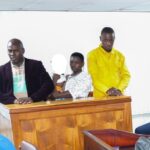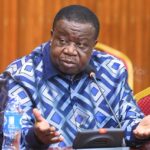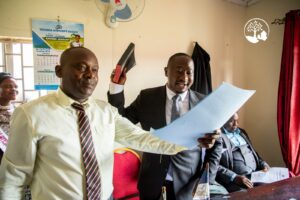
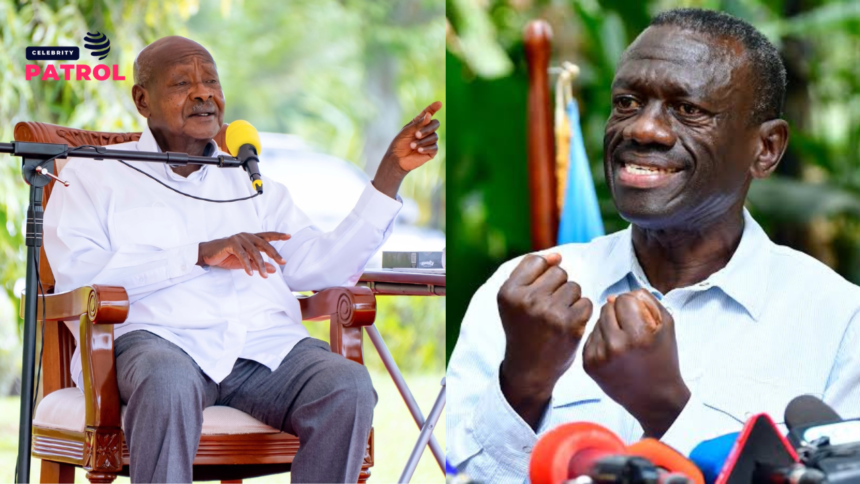
President Yoweri Museveni has questioned why opposition veteran Dr. Kizza Besigye continues to resist participating in his ongoing treason trial, arguing that court offers him the best opportunity to clear his name and expose any alleged injustices if they exist.
In a statement, Museveni said he finds it puzzling that Besigye, whom he described as “a great democrat and human rights fighter,” would refuse to engage with the judicial process.
“Why would Dr. Besigye, a great democrat and human rights fighter, spend so much calories on refusing to come to trial, where he has the opportunity to prove his innocence and expose the undemocratic behavior and dictatorship of Museveni and his family?” Museveni said.
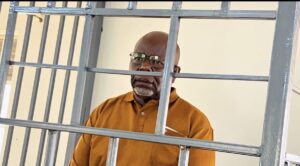
The President’s remarks come amid a prolonged legal battle that has seen Besigye remain in detention for more than a year and a half while facing treason charges alongside his co-accused, Hajj Obeid Lutale.
Why Besigye Is Resisting
Besigye and his legal team have consistently argued that their reluctance to fully participate in the proceedings is not an attempt to evade justice but a protest against what they describe as a compromised judicial process.
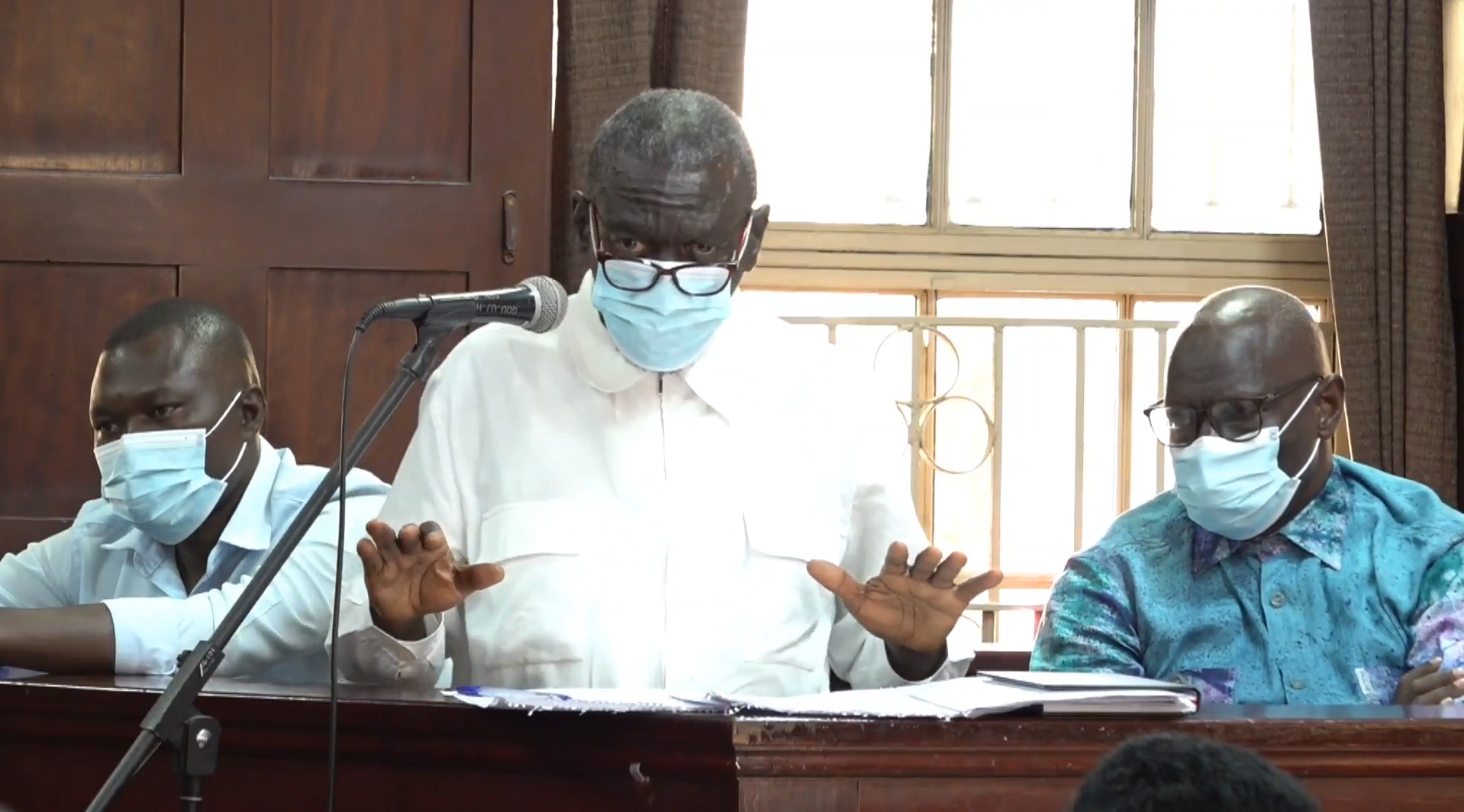
The former four-time presidential candidate maintains that Uganda’s courts, particularly in politically sensitive cases, lack the independence required to guarantee a fair trial. He has repeatedly described the charges against him as politically motivated.
More Read
His lawyers have also cited several concerns, including his alleged abduction from Kenya before being brought to Uganda, the case’s initial handling before a military court, repeated disputes over evidence disclosure, and challenges surrounding his legal representation after Kenyan lawyer Martha Karua was denied entry into Uganda and lawyer Erias Lukwago was arrested.
Long History of Arrests
Besigye, once President Museveni’s personal physician during the NRA bush war, later became one of Uganda’s most prominent opposition figures after challenging Museveni in four presidential elections.
Over the years, he has faced numerous arrests and prosecutions on charges ranging from treason to terrorism, many of which were eventually dismissed or ended in acquittals.
His supporters argue that the repeated legal battles form part of a broader effort to weaken political opposition, while the government maintains that all prosecutions are based on evidence and conducted within the law.
Debate Continues
Museveni’s latest remarks have reignited debate over Uganda’s justice system, with supporters of the government insisting that courts remain the proper forum for determining guilt or innocence.
More Read

Opposition supporters, however, continue to argue that meaningful participation in the trial would legitimize a process they believe is fundamentally flawed.
As the high-profile case progresses, the disagreement between the government and Besigye’s camp continues to symbolize Uganda’s wider political divide over judicial independence, rule of law, and the treatment of opposition leaders.