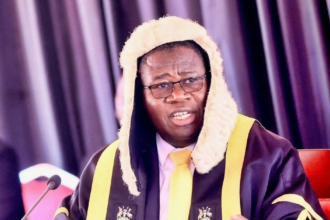








Veteran Ugandan journalist Dean Lubowa Saava has sparked controversy after claiming that the installation of what he described as a “fake Kyabazinga” brought misfortune to Busoga, including an outbreak of jiggers.
Lubowa made the remarks during an appearance on TV10’s Gano Mazima programme while discussing the long-running debate surrounding leadership and legitimacy in the Busoga Kingdom.
According to the journalist, the disputed installation allegedly triggered misfortunes in the region, including outbreaks of jiggers, locally known as Enfunza or Emvunza.
His remarks come amid the longstanding dispute surrounding the Busoga throne. William Wilberforce Gabula Nadiope IV was elected and crowned Kyabazinga in 2014, although his legitimacy has previously been challenged by rival figures, including Edward Columbus Wambuzi.
However, there is no scientific evidence linking the legitimacy or installation of a traditional ruler to jigger outbreaks. Tungiasis is caused by parasitic sand fleas and is associated with environmental and living conditions.
🚨 “FAKE KYABAZINGA CAUSED JIGGER OUTBREAK IN BUSOGA” — JOURNALIST DEAN LUBOWA SAAVA CLAIMS
Veteran Ugandan journalist Dean Lubowa Saava has sparked controversy after claiming that the installation of a “fake” Kyabazinga in Busoga Kingdom contributed to the outbreak of jiggers… pic.twitter.com/2esaz1cbAJ
— Celeb Patrol UG (@CelebPatrolUg) September 2, 2026
Related posts:
 “Erias Lukwago Had Turned Kampala Leadership Into Political Goldmine” – Journalist Dean Saava
 TikTok Claims Cost Him Dearly: Dean Lubowa Saava Ordered to Pay Deputy IGG UGX 100M
 Natasha Museveni Opens Up About ‘Her’ Fake Facebook Account Running Online Scams
 Stellah Nantumbwe Unveils New Luxurious Mansion in Lubowa After Dumping Ex-Husband
 Gideon Tugume Sues Muhoozi & Kisubi Hospital For Shs2 Billion Over Torture, Illegal Detention And Forced Medical Procedures
 TikToker Lord Elektra Reportedly Survives Suicide Attempt, What Really Happened Shocks Fans