

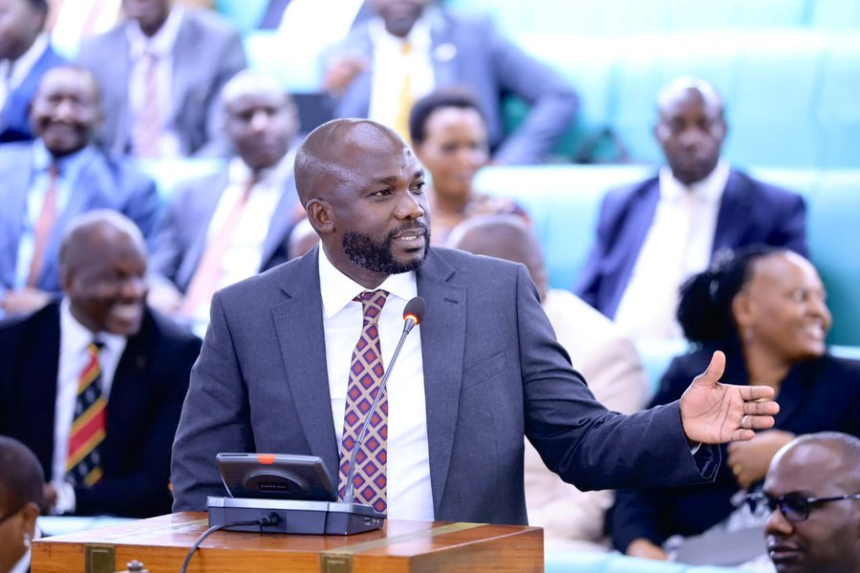
Kibanda North MP Linos Ngompek has raised concerns over rising condom prices in Uganda, warning that the cost of essential HIV prevention products could make protection unaffordable for some people.
Speaking in Parliament, Ngompek questioned the Minister of Health about measures to control prices and ensure affordable access to condoms as Uganda works towards eliminating HIV/AIDS as a public health threat by 2030.
The legislator cited the price of Lifeguard condoms, which he said had risen from Shs500 to Shs1,500. He also pointed to premium options, including flavoured Skin to Skin condoms reportedly costing up to Shs5,000, while some non-latex varieties were said to cost as much as Shs35,000.
Ngompek used a humorous but pointed example to illustrate his concerns about affordability, saying some men in rural areas could struggle to pay Shs2,000 for a condom.
“Now, a man deep in Mitoma cannot afford a condom of 2,000 shillings on a job that will last for less than 40 seconds. I’m not saying that in Mitoma the men do not go beyond 40 seconds. But this is reality on ground,” he said.
More Read
His remarks have drawn attention to the relationship between the cost of condoms and access to HIV prevention services. Affordable condoms remain an important part of efforts to reduce new infections and support safer sexual practices.
In August 2026, Marie Stopes reportedly reduced the price of Lifeguard condom packs to Shs700 in an effort to improve access to affordable protection.
The debate also comes amid concerns about HIV infections in areas including Wakiso and Kampala. Ngompek’s intervention has renewed calls for attention to condom affordability as Uganda pursues its 2030 HIV/AIDS targets.
Kibanda North MP Linos Ngompek told Parliament that a Lifeguard condom that used to cost Shs500 now sells at Shs1,500. He asked the Minister of Health how Government will curb new HIV infections before the 2030 target to end HIV.
He said the flavoured Skin to Skin brand sells at Shs5,000 and a non-latex brand at Shs35,000.
Photo by Parliament
— Parliament Watch (@pwatchug) October 20, 2026