

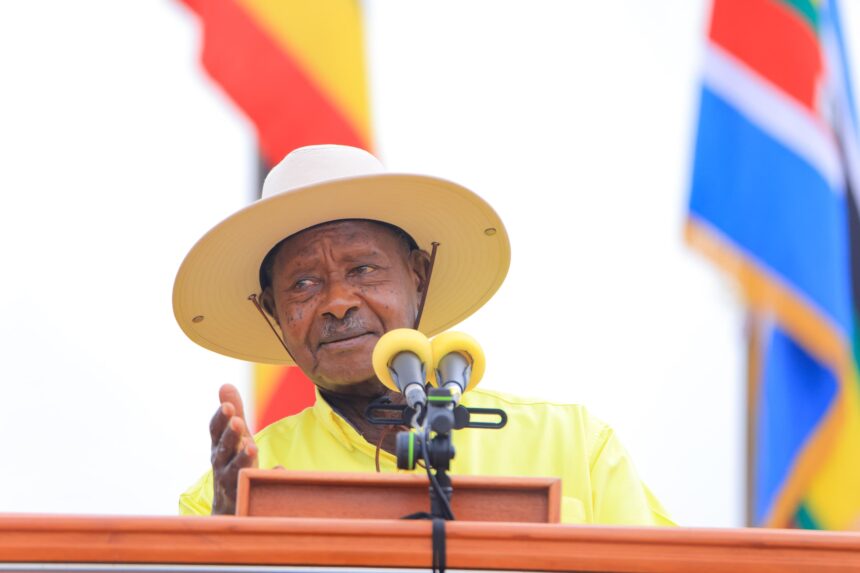
President Yoweri Museveni has revealed that he was once shocked to learn from a Kenyan senator that Uganda was purchasing petroleum products through middlemen.
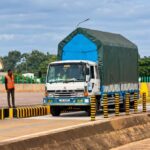
Museveni said the revelation made him question why Uganda was not buying fuel directly from bulk suppliers, a practice he argued increased costs before petroleum products reached consumers.
“The person who woke me up first was a senator from Kenya. He told me, ‘Do you know that your country is buying petroleum through middlemen?’ I didn’t know then,” Museveni said.
The President made the remarks while presiding over the groundbreaking ceremony for a 320-million-litre Kampala fuel storage terminal in Mpigi District.
The Uganda National Oil Company (UNOC) project is being developed in partnership with Vitol Bahrain and is expected to be completed in 2028.
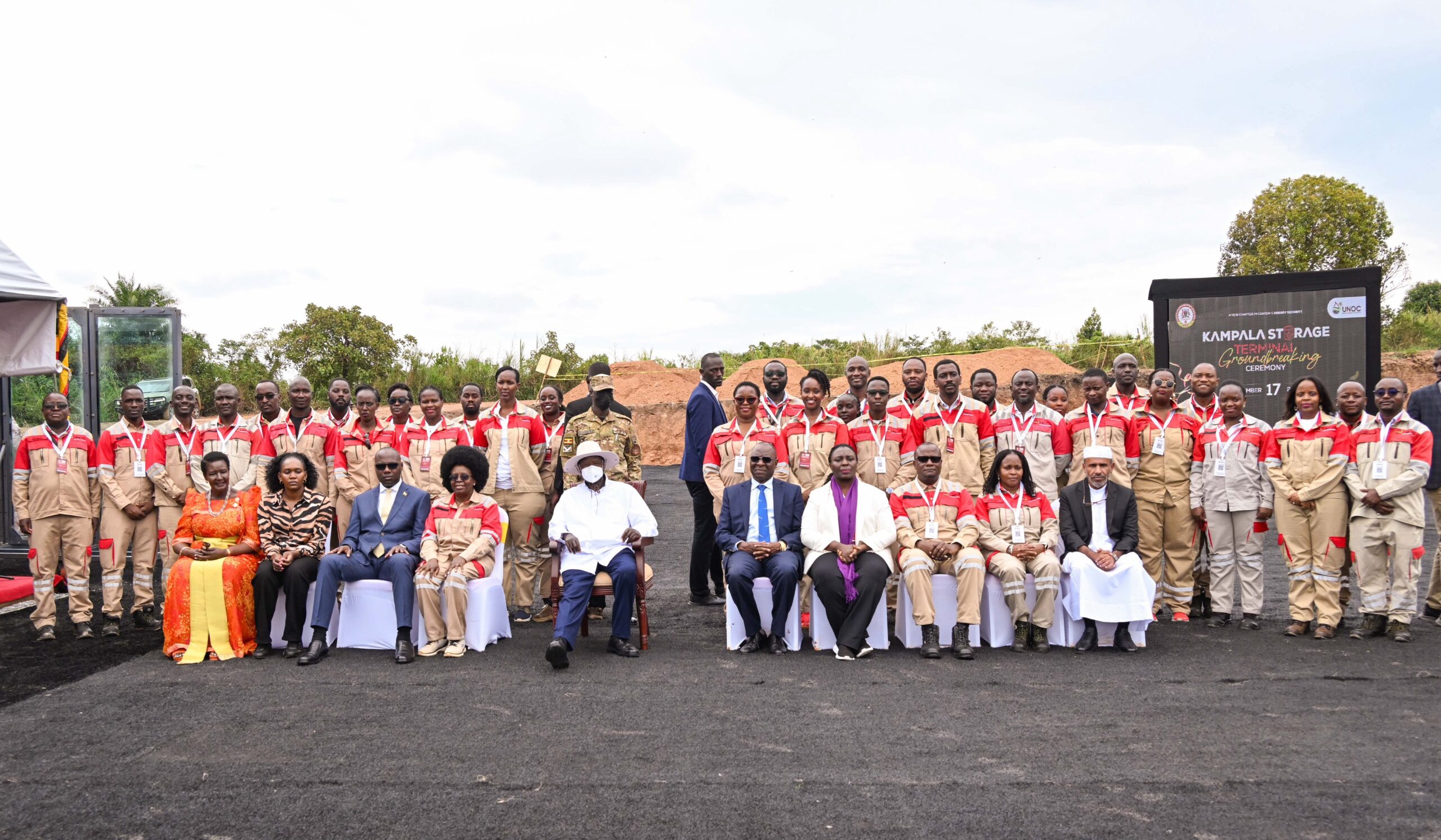
The facility is intended to increase Uganda’s fuel storage capacity and strengthen the country’s ability to secure petroleum supplies.
Museveni also criticised former government officials for failing to address the country’s reliance on middlemen. He argued that direct arrangements with bulk suppliers had helped reduce premiums previously paid on diesel, petrol and jet fuel.
The President’s comments have renewed attention on Uganda’s petroleum supply chain, particularly the role of intermediaries and the additional costs passed on to motorists, businesses and households.
Once completed, the Mpigi terminal is expected to provide larger fuel reserves and reduce Uganda’s vulnerability to disruptions in the regional petroleum supply chain.
However, questions remain over whether improved storage capacity and direct fuel procurement will eventually contribute to more stable and affordable pump prices for consumers.
When we took over Government in 1986, we entrusted administration to technocrats. However, it took a Kenyan Senator to alert me that Uganda was buying petroleum products through middlemen in Kenya. Unbelievable! After intervention, Diesel has come down from USD118 to USD83 per… pic.twitter.com/ScSMZGQvKc
— Yoweri K Museveni (@KagutaMuseveni) September 17, 2026
Related posts:
 List of African Countries With No Living Former Presidents – Here’s Why Uganda Is on the List
 22 Arrested In Nakaseke Over Illegal Hunting And Possesion of Wildlife Products
 David Kabanda Hits Back at U.S. Senator Jim Risch Over Shut Down of Nation Media
 PLU’s Daudi Kabanda Bitterly Exposes Odrek Rwabwogo, PACEID Scam of Purchasing Helicopters